If you’ve been trying to conceive without success, you’re not alone. Around 1 in 6 couples experience fertility challenges. Our compassionate team uses advanced diagnostics and personalized care to uncover the causes and guide you toward parenthood.A gentle first step toward improving natural conception IUI is a simple and minimally invasive fertility treatment that places specially prepared sperm directly into the uterus at the right time in your cycle. It helps increase the chances of pregnancy in cases of mild male-factor infertility, ovulation issues, or unexplained infertility - with personalised care and expert guidance.
Gentle support when conception needs better timing and guidance IUI (Intrauterine Insemination) is often recommended as a first-line fertility treatment when natural conception needs assistance but advanced procedures are not yet required. Identifying the right cause helps our specialists determine whether IUI is the most suitable next step for you.

Irregular ovulation or mild hormonal imbalance can affect the timing of egg release. IUI is commonly combined with ovulation tracking or mild stimulation to improve timing and increase the chance of pregnancy.

When fertility tests appear normal but pregnancy has not occurred, IUI can help by improving sperm placement and timing - addressing subtle factors that may affect natural fertilization.
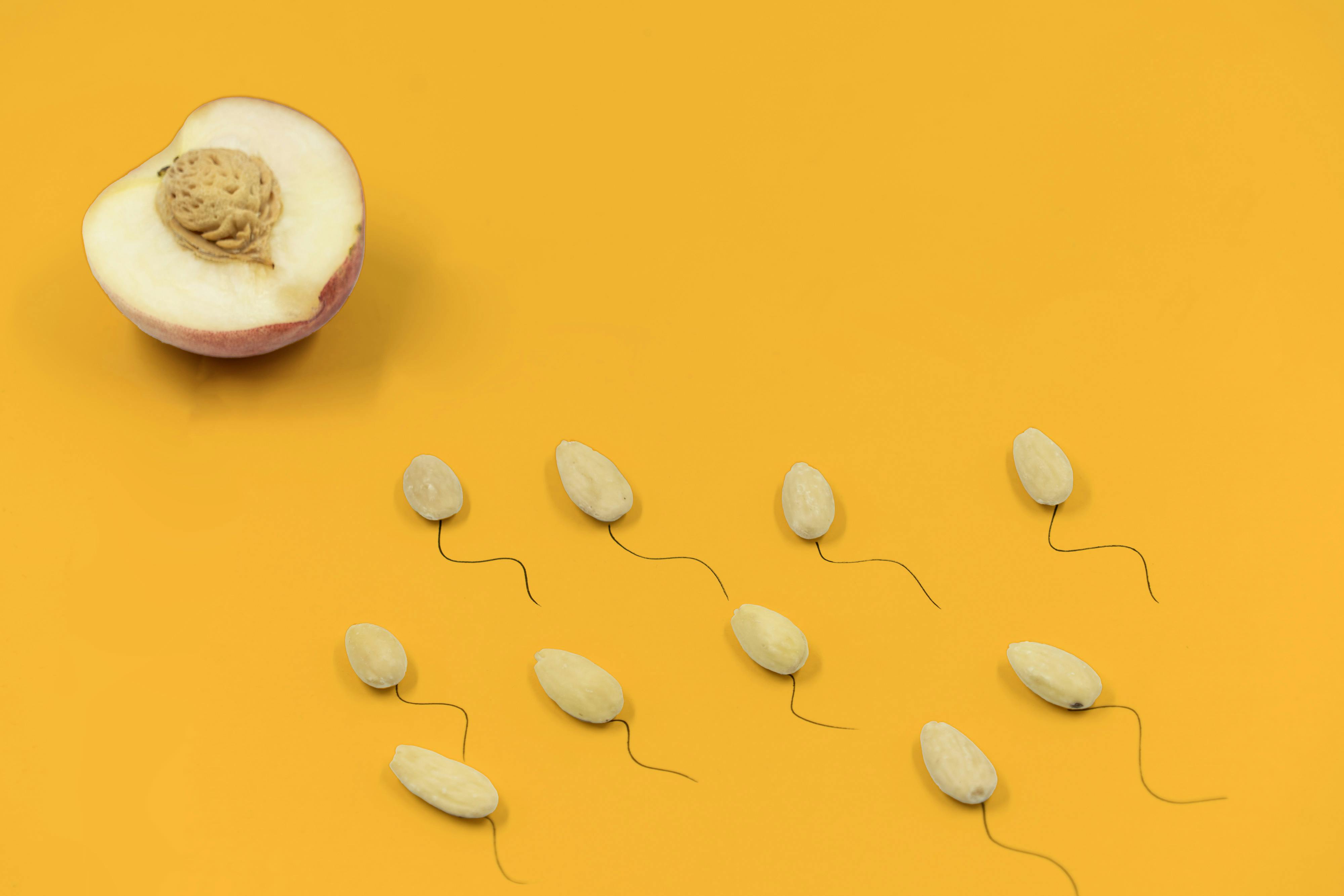
IUI is suitable when sperm count or motility is slightly reduced. Washed and concentrated sperm is placed directly into the uterus, shortening the distance sperm must travel to reach the egg.

In some cases, thick or hostile cervical mucus can prevent sperm from entering the uterus. IUI bypasses the cervix entirely, allowing sperm to reach the uterus more easily.
IUI can be helpful when intercourse is difficult due to erectile dysfunction, ejaculation issues, or other medical or psychological factors, while still supporting conception with your own sperm.
IUI is a commonly used fertility option for individuals using donor sperm, offering a less invasive and well-established path to conception.
IUI is a helpful fertility treatment for many couples, but it does not work well in certain medical situations. In these cases, doctors usually recommend IVF or ICSI for better pregnancy chances.
When both fallopian tubes are blocked or badly damaged, the egg and sperm cannot meet naturally inside the body. Since IUI relies on this process, the treatment is unlikely to succeed.
If sperm count is extremely low or the sperm have very poor movement or shape, they may not be able to reach or fertilise the egg, even after IUI.
When no sperm are present in the semen, fertilisation cannot occur with IUI. In such cases, donor sperm or other fertility options may be considered.
Advanced endometriosis can affect the uterus, fallopian tubes, and pelvic organs. These changes can prevent fertilisation or implantation, reducing the success of IUI.
As a woman’s age increases, egg quality and quantity reduce. This significantly lowers the chances of pregnancy with IUI, making advanced treatments more effective.
Very low AMH levels indicate fewer eggs are available. With fewer eggs released, the chances of pregnancy through IUI become much lower.
IUI should be delayed if there is an untreated infection, as it may spread the infection and cause further health complications.
Large fibroids or abnormal uterine shape can interfere with embryo implantation, meaning pregnancy may not occur even if fertilisation happens.
If several IUI cycles fail despite good ovulation and healthy sperm, it usually means a more advanced fertility treatment is needed.
Certain health conditions make pregnancy risky for the mother. In such cases, fertility treatment is postponed until it is medically safe.
A simple, well-timed approach to support natural conception IUI treatment focuses on improving the timing and placement of sperm to increase the chances of pregnancy. Before proceeding, our specialists carefully evaluate key fertility factors to ensure IUI is the right and most effective option for you.
Expert guidance to help you decide if IUI is the right fertility treatment for you If you are considering IUI treatment for ovulation problems, unexplained infertility, or mild male-factor infertility, our fertility specialists provide personalised evaluation and clear treatment planning to support natural conception.
Supportive options that may complement or follow IUI treatment While IUI is often the first step in fertility care, some couples may benefit from additional or alternative treatments based on their diagnosis, response to IUI, or long-term fertility goals.
Expert consultation to help you decide if IUI treatment is right for you If you are exploring IUI treatment for ovulation issues, unexplained infertility, or mild male-factor infertility, our fertility specialists provide personalised assessment and clear treatment planning to support natural conception.

Understanding your options is the first step toward hope. Here are some of the most common questions our fertility experts answer every day.